
Ship Agency and Port Operations : Vessel Port Call Management
Maritime & Shipping
₦1,600,000
Admissions open for the October 2026 session — apply now
Programmes
27 programmes across aviation, maritime, logistics and travel.
Showing 27 courses
Ship Agency and Port Operations : Vessel Port Call Management
Proficiency Awareness for All Seafarer
Radar for Sailors and Boaters
ISM Code Maritime Safety: Practical Guide for CDTS n OFF
ISPS Code : Ship & Port Security Compliance
IMDG Code : Dangerous Goods By Sea
Ship Machinery System: Essential Guide to Ship Engineering
Marine Insurance: Navigating The Water of Risk and Protection
Proficiency as Ship Security Officer for Seafarer
Marine Navigation for Seafarer
Green Shipping & Maritime Decarbonization: EEXI and CII
Shipping and Crewing Management
Maritime Labour Convetion (MCL) Seafarer Right Comliance
Port Management and Shipping Operation
Nautical Rules of The Road (COLREGS) for Coaster Guide Exams
Introduction to Sea Trading Routes and Maritime Facilities
General Navigation for Air and Marine Operation
Maritime Accident Investigation & Analysis
Advanced Management of Maritime Shipping and Logistics
Cargo Securing Code: Stowage, Lashing & Maritime Compliance
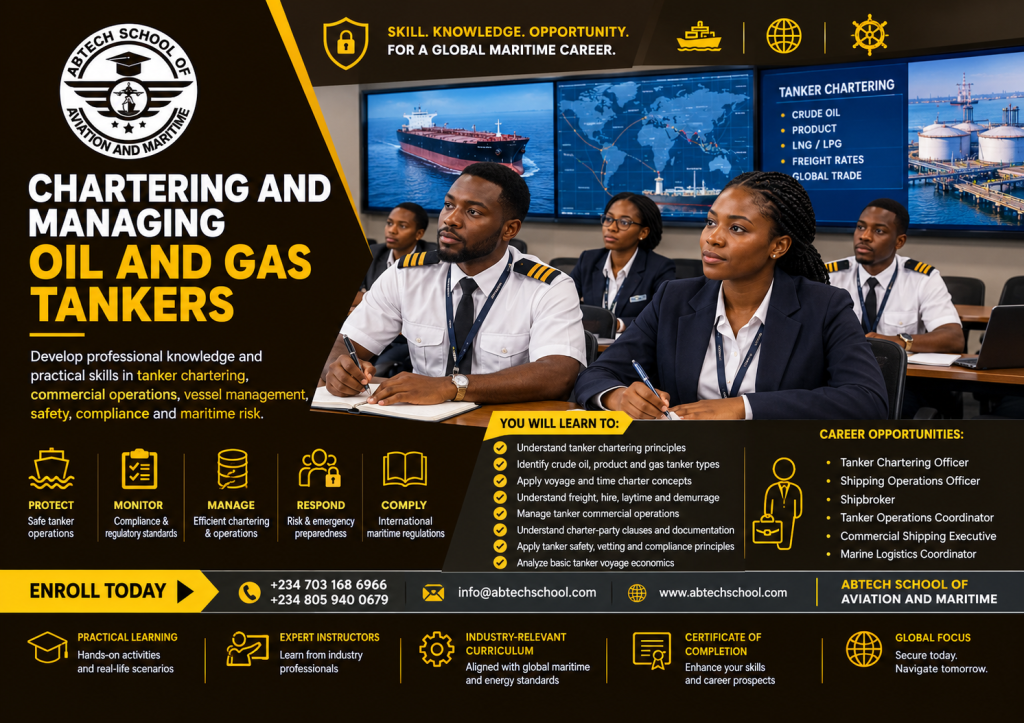
Chartering and Managing Oil & Gas Tankers is a professional maritime programme covering the commercial, operational, legal, financial, safety, regulatory and management aspects of tanker shipping. It introduces learners to tanker markets, charter parties, vessel employment, voyage planning from a commercial perspective, freight calculations, demurrage, documentation, ship management, vetting, compliance, environmental protection and risk management. The programme is designed around internationally recognized maritime frameworks and industry practices, including IMO requirements, SOLAS, MARPOL, the ISM Code, ISGOTT and OCIMF-related tanker-management practices. IMO identifies SOLAS and MARPOL as particularly important frameworks for tanker safety and pollution prevention, while the ISM Code establishes an international framework for safe ship management and pollution prevention. Recommended level: Professional / Advanced Diploma Suggested duration: 3–6 months Study mode: Physical, online or blended Target sectors: Shipping companies, tanker operators, chartering departments, ship agencies, oil-trading companies, ports, terminals, maritime consultancy and logistics organizations.
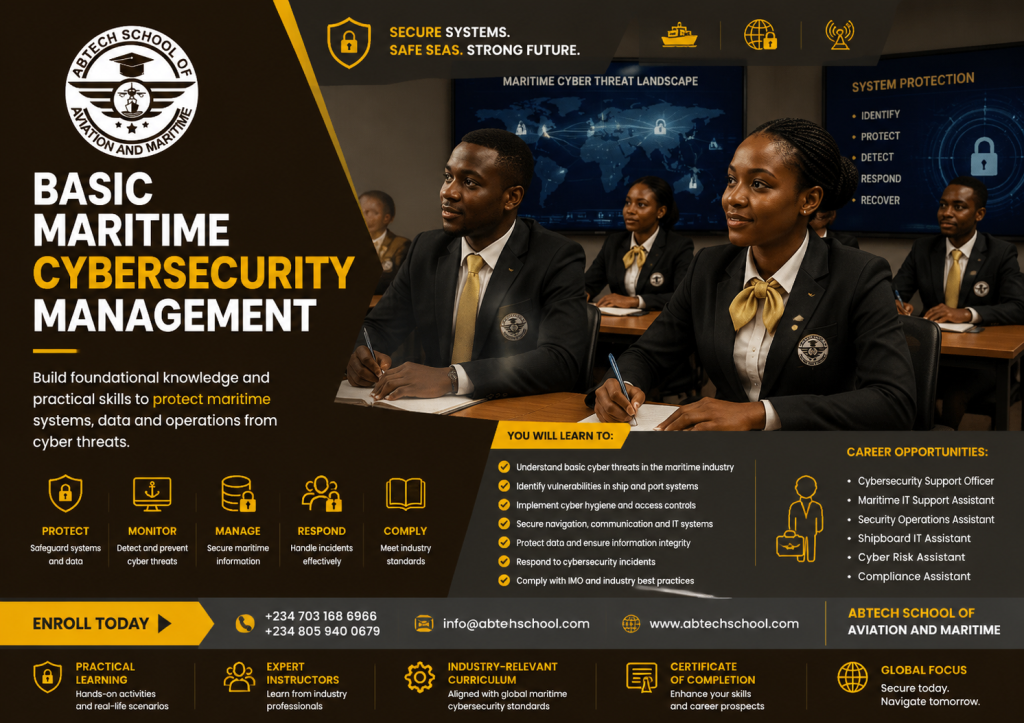
Foundations of maritime cybersecurity: shipboard systems, port networks and baseline IMO cyber-risk practice.
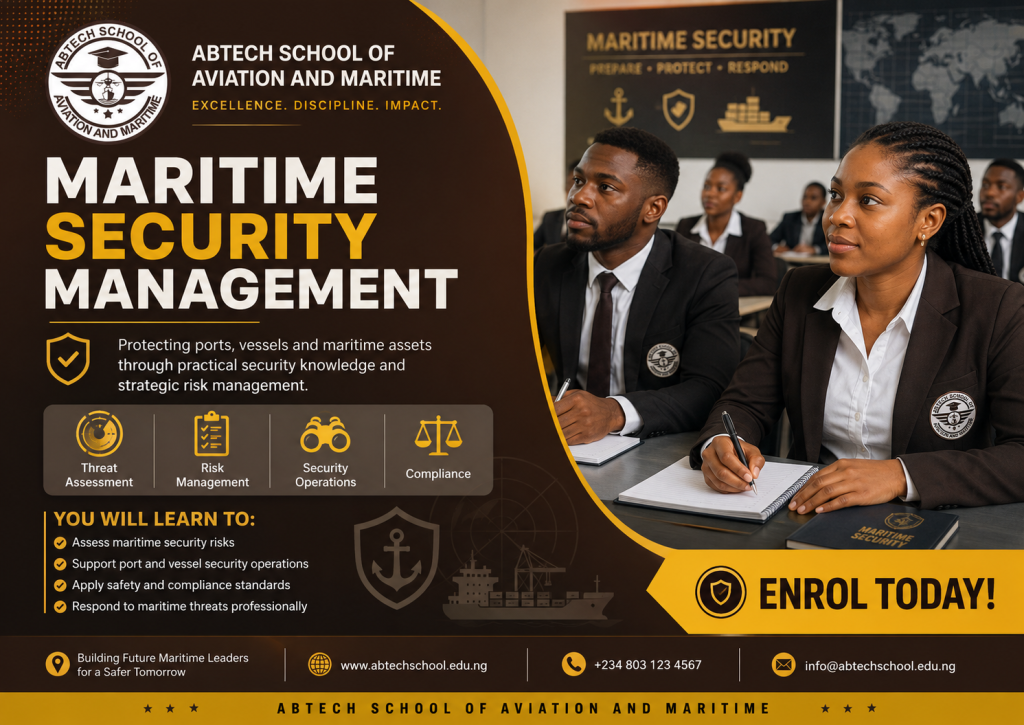
Security across ports, vessels and the wider maritime domain, aligned to the ISPS Code and international standards.
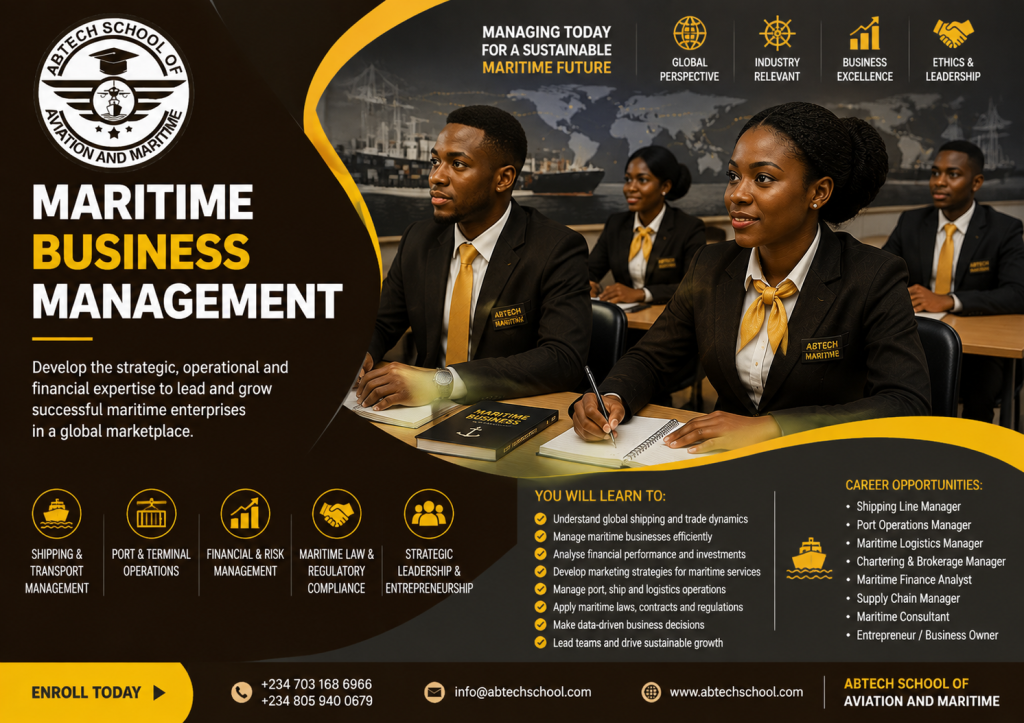
The business of shipping and maritime trade: chartering, port economics, logistics and maritime regulation.
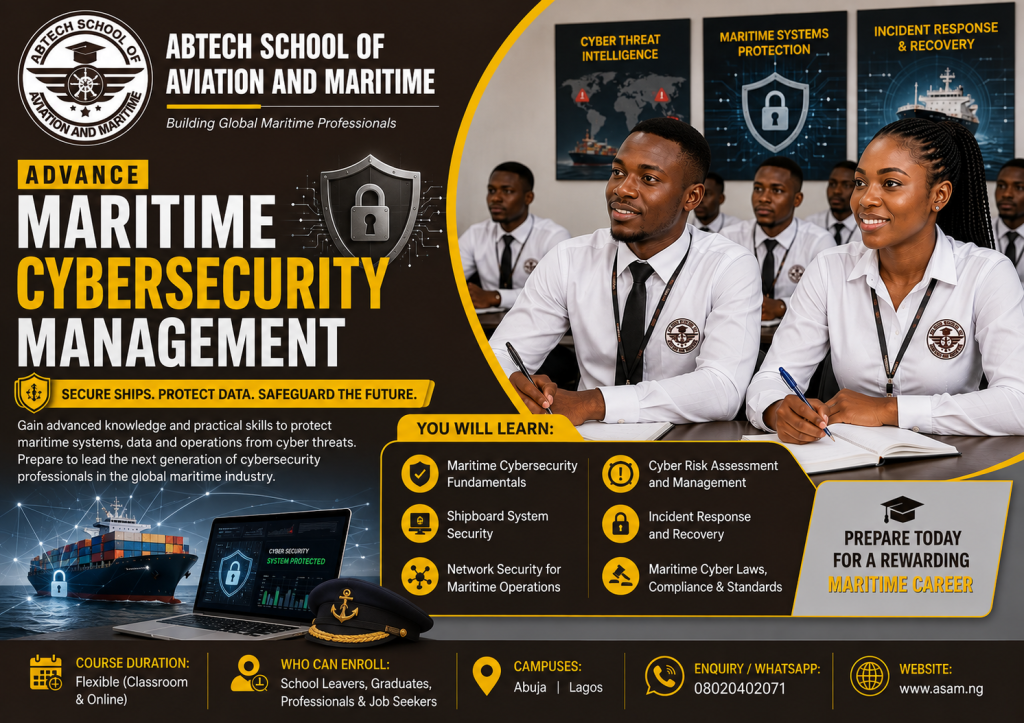
Advanced cybersecurity for the maritime and shipping sector: OT/IT systems, vessel networks and IMO compliance.
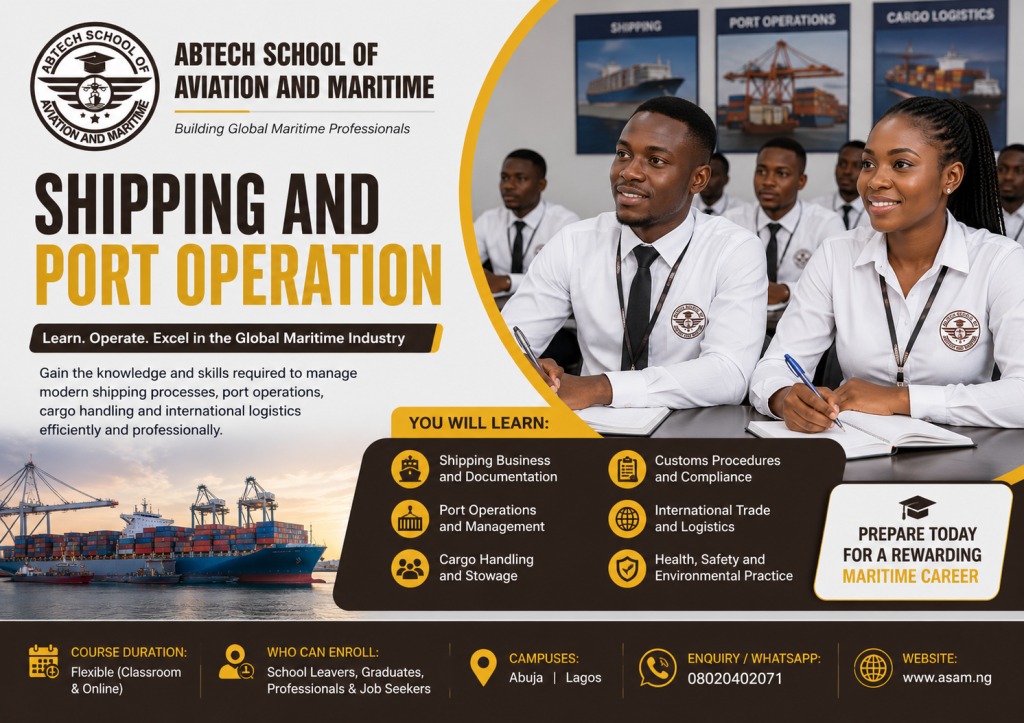
Gain practical knowledge of shipping, port operations, cargo handling, maritime logistics, vessel management, documentation, safety, and international trade procedures.
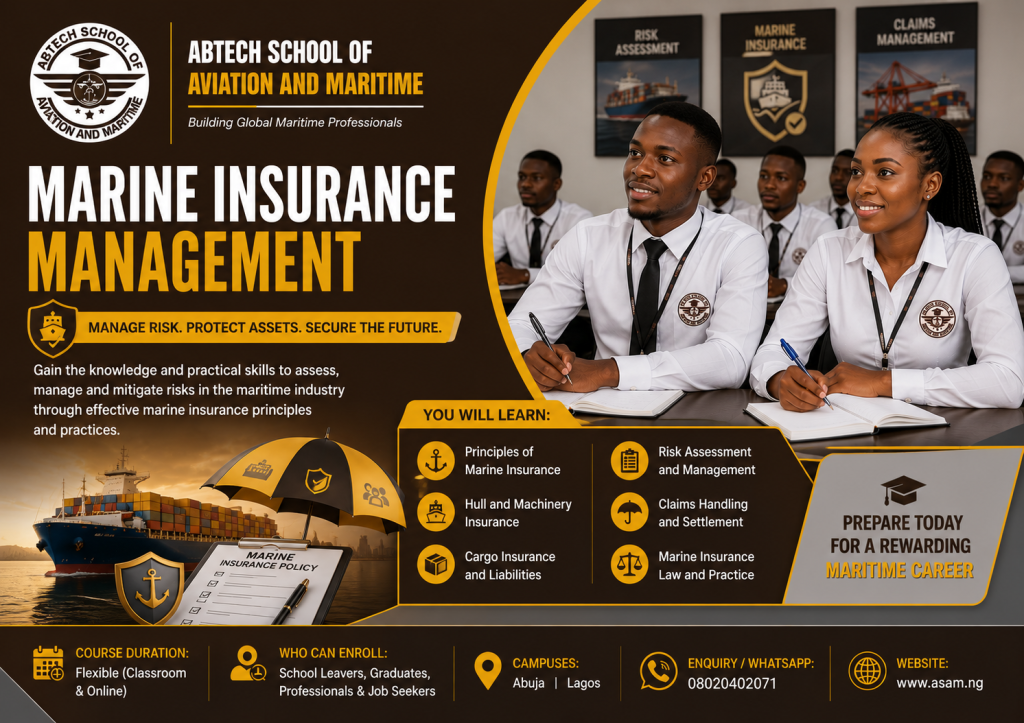
Develop expertise in marine insurance principles, risk assessment, claims management, underwriting, and maritime regulations for effective protection of global shipping activities.