MANUAL HANDLING AWARENESS
Build essential awareness of safe manual handling practices, helping workers identify lifting hazards, prevent injuries, use appropriate handling techniques, and maintain a safer workplace.
- Lessons
- 0
- Study time
- 12
- Enrolled
- 0
What you will be able to do
- By the end of the programme, students will be able to:
- Understand the principles of safe manual handling.
- Identify common manual-handling hazards.
- Recognize factors that increase the risk of injury.
- Assess loads before attempting to move them.
- Apply safer lifting and lowering techniques.
- Use appropriate posture and body positioning.
- Handle loads safely when carrying, pushing, or pulling.
- Recognize awkward, unstable, or excessively heavy loads.
- Understand the importance of team lifting and communication.
- Identify when mechanical handling equipment should be used.
- Apply appropriate workplace control measures.
- Select suitable PPE where required.
- Report manual-handling hazards and incidents.
- Follow workplace manual-handling procedures.
- Help prevent musculoskeletal and other handling-related injuries.
- Key Topics
- Introduction to Manual Handling
- Common Manual Handling Hazards
- Manual Handling Risk Factors
- Musculoskeletal Injury Awareness
- Assessing Loads Before Handling
- Safe Lifting and Lowering Techniques
- Safe Carrying Techniques
- Pushing and Pulling Loads
- Awkward and Unstable Loads
- Repetitive Handling Activities
- Posture and Body Mechanics
- Team Lifting and Communication
- Mechanical Handling Aids
- Workplace Layout and Environmental Factors
- Personal Protective Equipment
- Manual Handling Risk Assessment
- Safe Systems of Work
- Incident and Hazard Reporting
- Emergency Awareness
- Good Manual Handling Practices
About this programme
Manual Handling Awareness provides foundational knowledge and practical guidance for anyone whose work involves lifting, carrying, pushing, pulling, moving, or positioning objects.
The programme focuses on recognizing manual-handling hazards, assessing the risks associated with different tasks, applying safer handling techniques, and understanding when mechanical assistance should be used. Participants will also learn how poor posture, repetitive movements, awkward loads, excessive force, and unsuitable working conditions can contribute to workplace injuries.
The course can be adapted to different industries, including aviation, maritime, logistics, construction, manufacturing, warehousing, hospitality, healthcare, oil and gas, and general workplace operations.
Related programmes
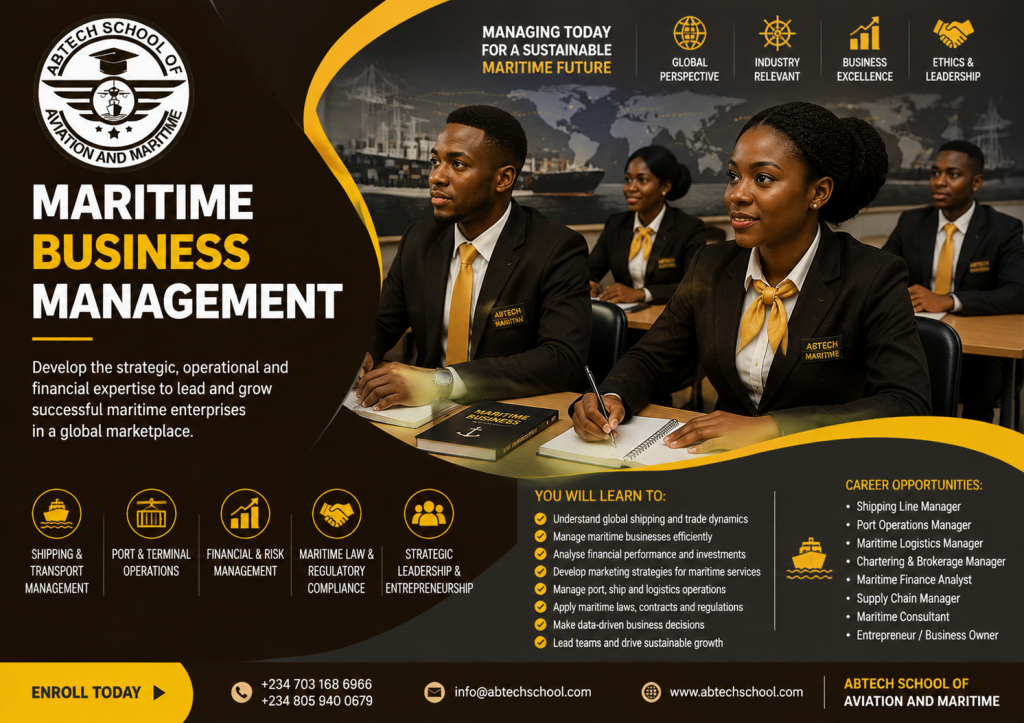
Maritime Business Management
The business of shipping and maritime trade: chartering, port economics, logistics and maritime regulation.
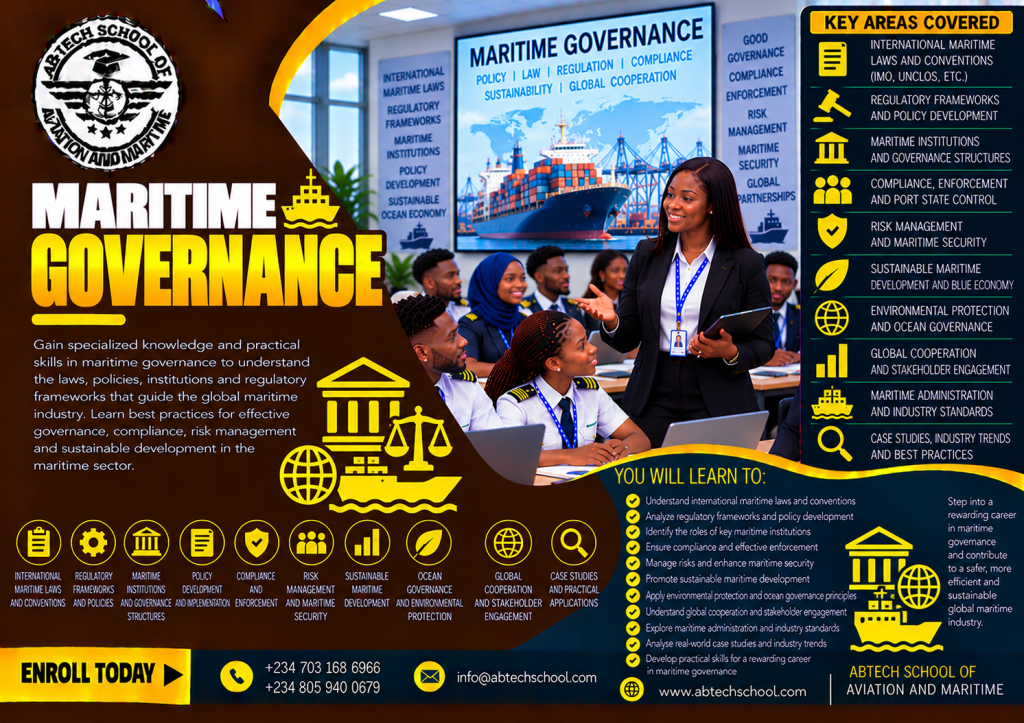
Maritime Governance
Develop essential skills in maritime governance, regulatory compliance, policy implementation, institutional accountability, and strategic decision-making to promote transparency, operational efficiency, and sustainable development across shipping, port, and offshore industries.
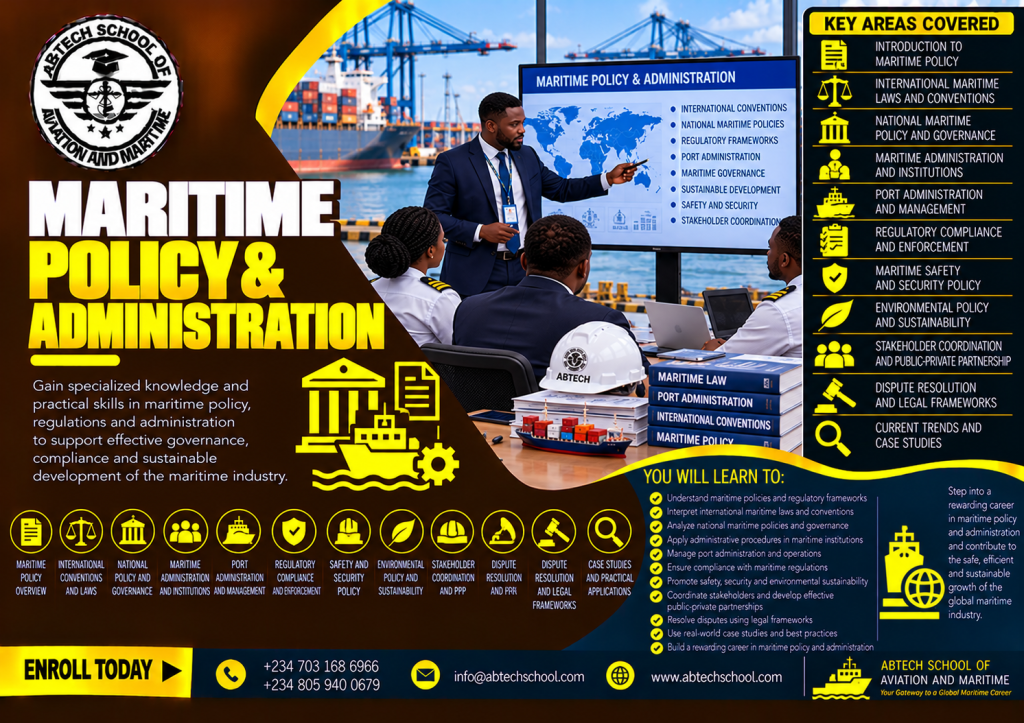
Maritime Policy & Administration
Develop essential skills in maritime policy development, regulatory administration, strategic planning, governance, and institutional management to support effective decision-making, regulatory compliance, and sustainable development across shipping, port, and offshore industries.